Booking choice: The Manama Souq food walk, ★ 4.9 (55). Check dates Compare the options below
Bahraini food grew out of an island that lived from the sea and from trade. Fish from the Gulf, rice and spices from India, dried limes, dates from the palm groves and saffron all meet on the table, and generations of Indian, Persian and Arab families have left their mark. The result is fragrant rather than fiery, generous and made to be shared.
This guide lists the dishes to look for and when Bahrainis eat them, where to find them in Manama and Muharraq, how the three souq food walks compare, what is cheap, and the best things to buy and take home. If you are planning your days around food, how many days in Bahrain fits a Muharraq morning into the trip.
The quick answer
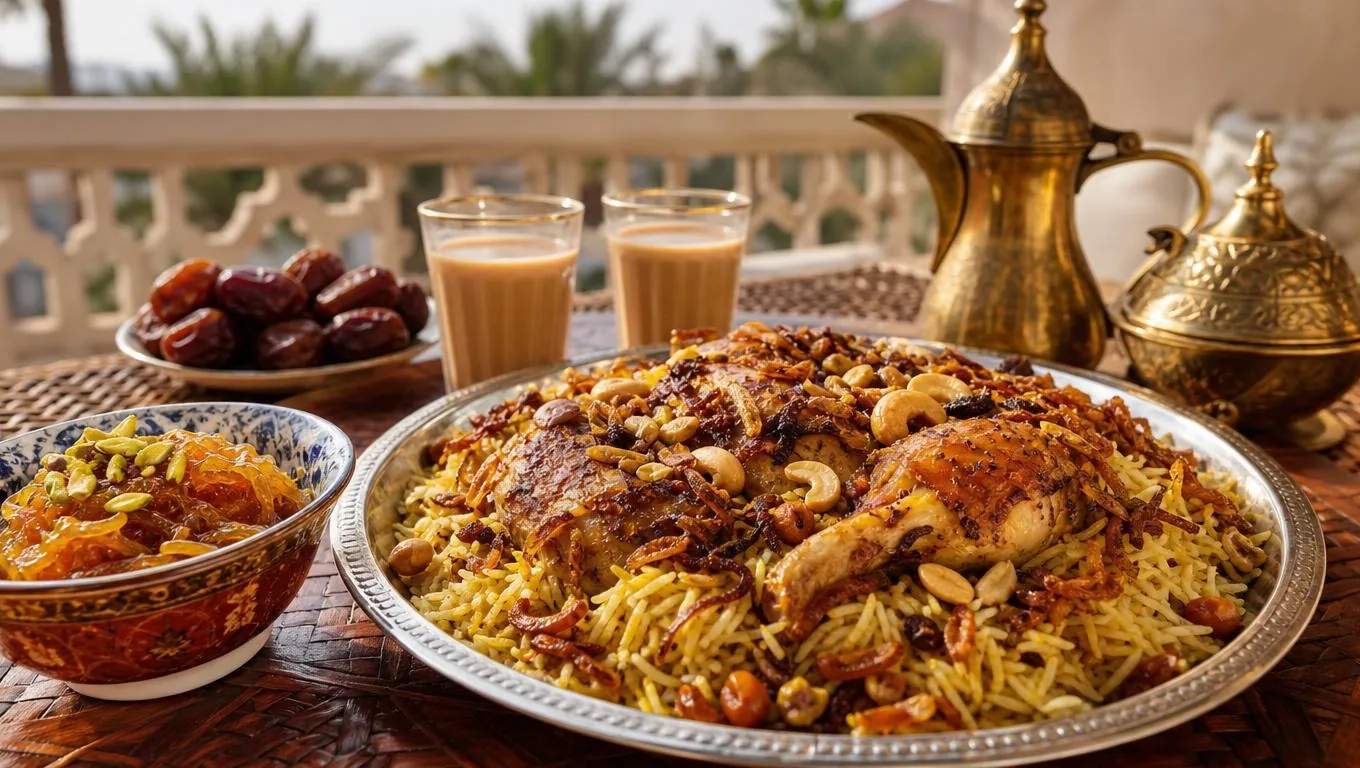
The dishes to try are machboos (spiced rice with meat or fish, the national dish), muhammar (sweet rice with fish), balaleet (sweet saffron vermicelli with an omelette, for breakfast), samboosa and fresh bread, grilled Gulf fish, Bahraini halwa (a glossy saffron and rosewater sweet) and karak, the sweet spiced tea sold everywhere. Arabic coffee and dates come with every welcome. Eat in the traditional cafés of the Manama Souq and Muharraq, and go to Adliya for an evening out. The Manama Souq Food Walk (4.9 from 55 reviews) is the tried and tested way to taste it all in three hours. Buy halwa, dates, spices, perfumes, A'ali pottery, and natural pearls or gold from reputable jewellers.
What food is Bahrain famous for?
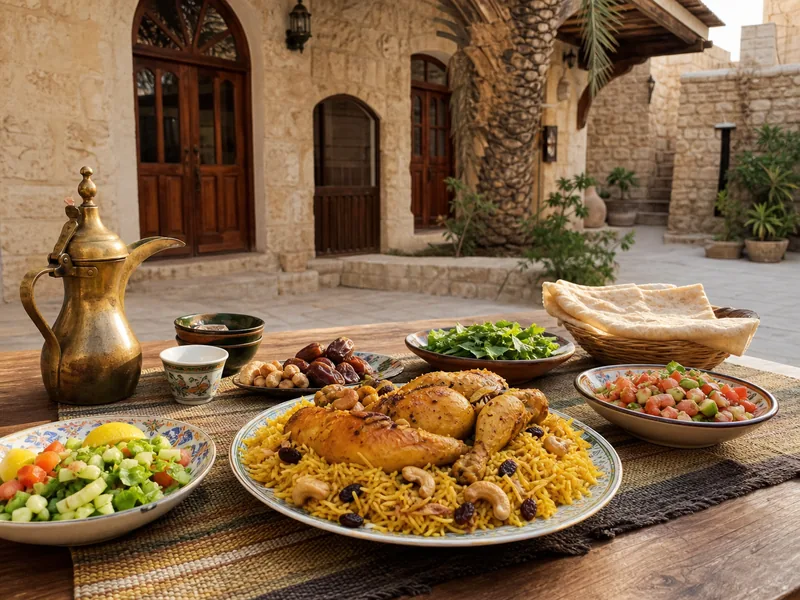
Machboos, spiced rice with chicken, lamb or fish, is the national dish. Bahrain is also known for muhammar with fish, balaleet at breakfast, Bahraini halwa and karak tea, with Arabic coffee and dates offered at every welcome.
Most of these dishes are shared across the Gulf, but each country has its own versions, and Bahrainis are proud of theirs, above all the halwa from Muharraq. The table shows what each dish is and when people eat it, so you know what to order at which time of day.
| Dish | What it is | When to eat it |
|---|---|---|
| Machboos | Rice cooked in a spiced broth with dried lime and chicken, lamb or fish; the national dish | Lunch, often the main meal of the day |
| Muhammar | Sweet rice cooked with dates or sugar, served with grilled or fried fish such as safi or hamour | Lunch, with fish |
| Balaleet | Sweet vermicelli with saffron and cardamom, topped with a thin omelette | Breakfast, and at Eid |
| Samboosa | Small fried pastries with savoury fillings | A snack at any time, and on Ramadan evenings |
| Bread | Flatbreads straight from the bakery oven | Breakfast, and with almost every meal |
| Grilled fish | Gulf fish such as hamour and safi, grilled or fried | Lunch or dinner |
| Bahraini halwa | A glossy, jelly-like sweet with saffron, rosewater, cardamom and nuts | With coffee, and as a gift |
| Karak | Sweet, milky tea spiced with cardamom | All day, and late into the evening |
| Arabic coffee and dates | Cardamom-scented coffee in small cups, served with dates | Whenever you are welcomed somewhere |
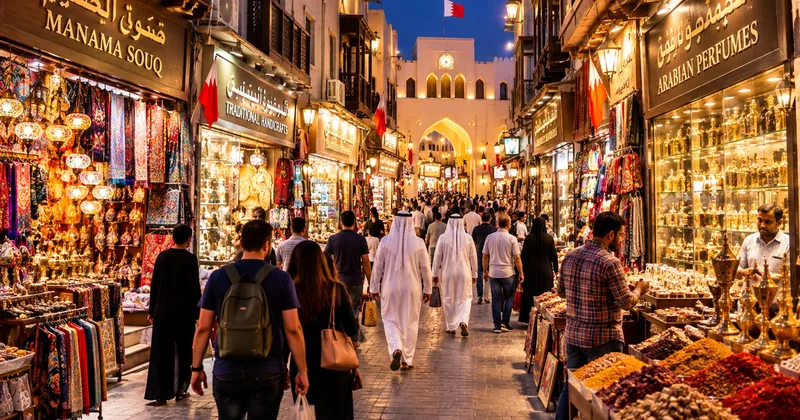
Three hours on foot through the old souq with a local foodie guide, with every tasting, water and local soft drinks included.
Check dates for the Manama Souq food walkWhat is the national dish of Bahrain?
Machboos: rice cooked in a spiced broth with dried lime and chicken, lamb or fish, served on a large shared platter. Its sweeter cousin, muhammar, is rice cooked with dates or sugar and served with grilled or fried fish.
The flavour of machboos comes from loomi, the dried black lime, together with a mix of warm spices, and each family has its own version. Chicken machboos is the most common in restaurants; fish machboos is the one to try near the coast. Muhammar is less well known abroad but very Bahraini: its sweetness is meant to balance salty, crisp fish, and the classic partners are safi and hamour, two Gulf fish you will see on every menu.
Lunch is the time for both, and several tours build it into the day. The private Manama tour ends with lunch, and the Pearling Path tour includes a traditional lunch at Bab Al Bahrain. In a restaurant, one platter usually feeds two, so share and try something else as well.
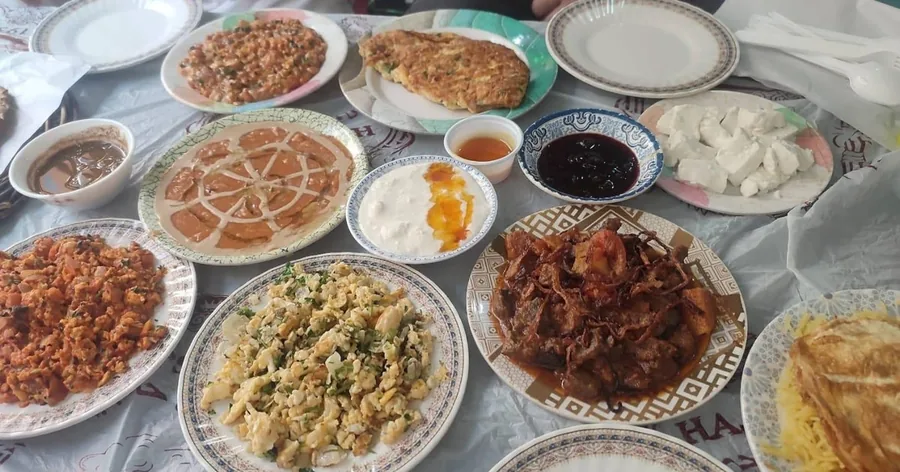
What do Bahrainis eat for breakfast?
Balaleet, sweet saffron vermicelli under a thin omelette, fresh flatbread from the bakery and tea or karak. Samboosa and other small savoury pastries turn up all day as snacks.
A traditional Bahraini breakfast is worth planning a morning around. Alongside balaleet you may find eggs cooked with tomato, beans, cheese, honey and date syrup, with bread straight from the oven. Traditional cafés in Manama and Muharraq serve it, and weekend mornings on Friday and Saturday are when families go out for it. Small bakeries sell bread and pastries from early morning.
The snacks are what you meet on a walk. Samboosa, the Gulf's version of the samosa, is sold hot, and karak stalls are everywhere. The Traditional Food Tasting Walk spends two to three hours on exactly this kind of food, from a traditional café to an Indian restaurant in the multicultural quarter; one reviewer's advice was to come hungry, because there is plenty to taste.
Four tasting stops from Bab Al Bahrain, through the spice shops and the Indian quarter to a traditional café, with Arabic coffee or tea.
Check dates for the food tasting walkWhere do you find the best Bahraini halwa?
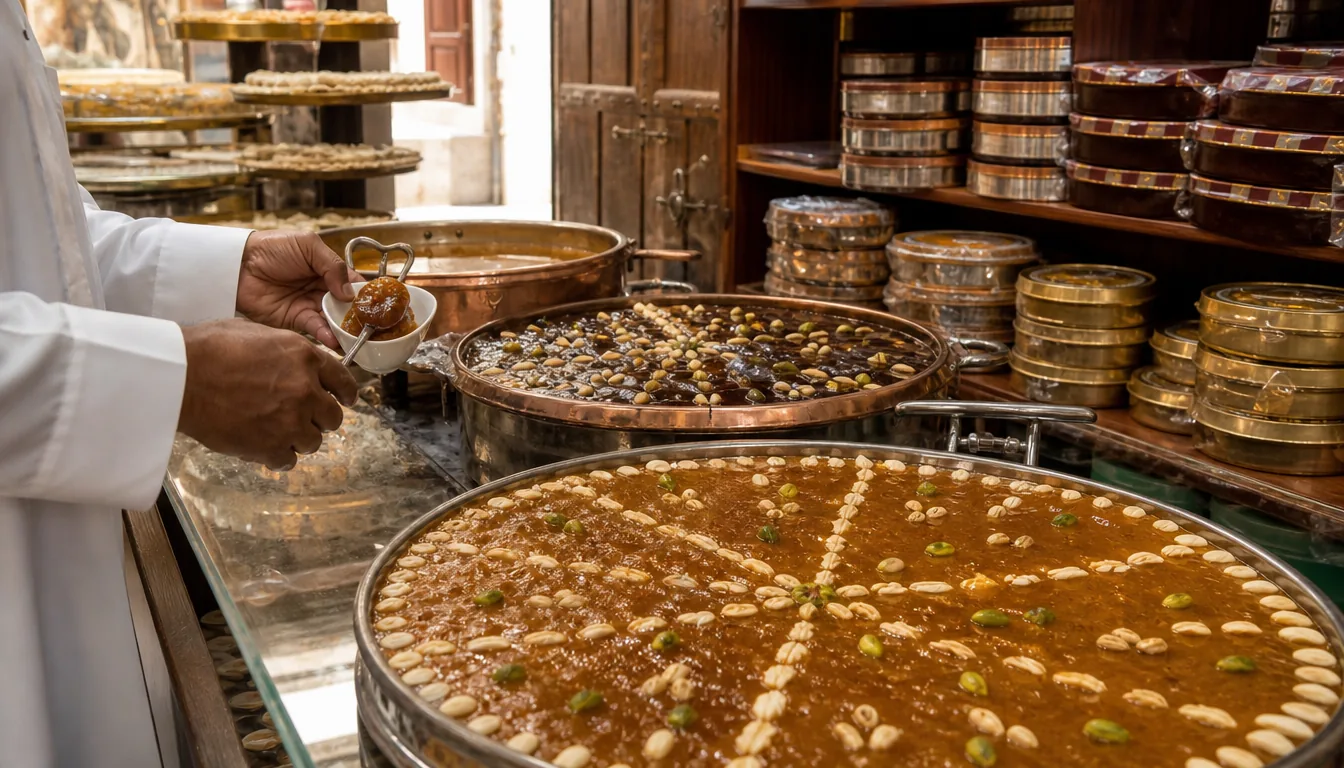
In Muharraq, where old family sweet shops have made it for generations; the Showaiter family has made halwa there for more than 150 years. The sweet shops of the Manama Souq sell it too, by weight or in ready-packed boxes.
Bahraini halwa is glossy, soft and slightly chewy, flavoured with saffron, rosewater and cardamom and topped with nuts. Shops usually let you taste before you buy, and it comes in several colours and flavours. It is eaten in small pieces with Arabic coffee, which balances its sweetness. The Manama Downtown City Tour stops in Muharraq for a traditional Bahraini sweet, and the Muharraq day in how many days in Bahrain passes the old shops on the Pearling Path.
Arabic coffee has its own small customs. It is poured into small cups without handles, usually with dates alongside, and your host will keep refilling your cup. Accept at least one cup, and when you have had enough, a small side-to-side shake of the empty cup is the traditional way to say thank you, no more.
Where should you eat in Manama?
For Bahraini food, the traditional cafés in and around the Manama Souq and the restored houses of old Muharraq; for an evening out, Adliya, the quarter of cafés, galleries and restaurants; for karak and snacks, any small café on the way.
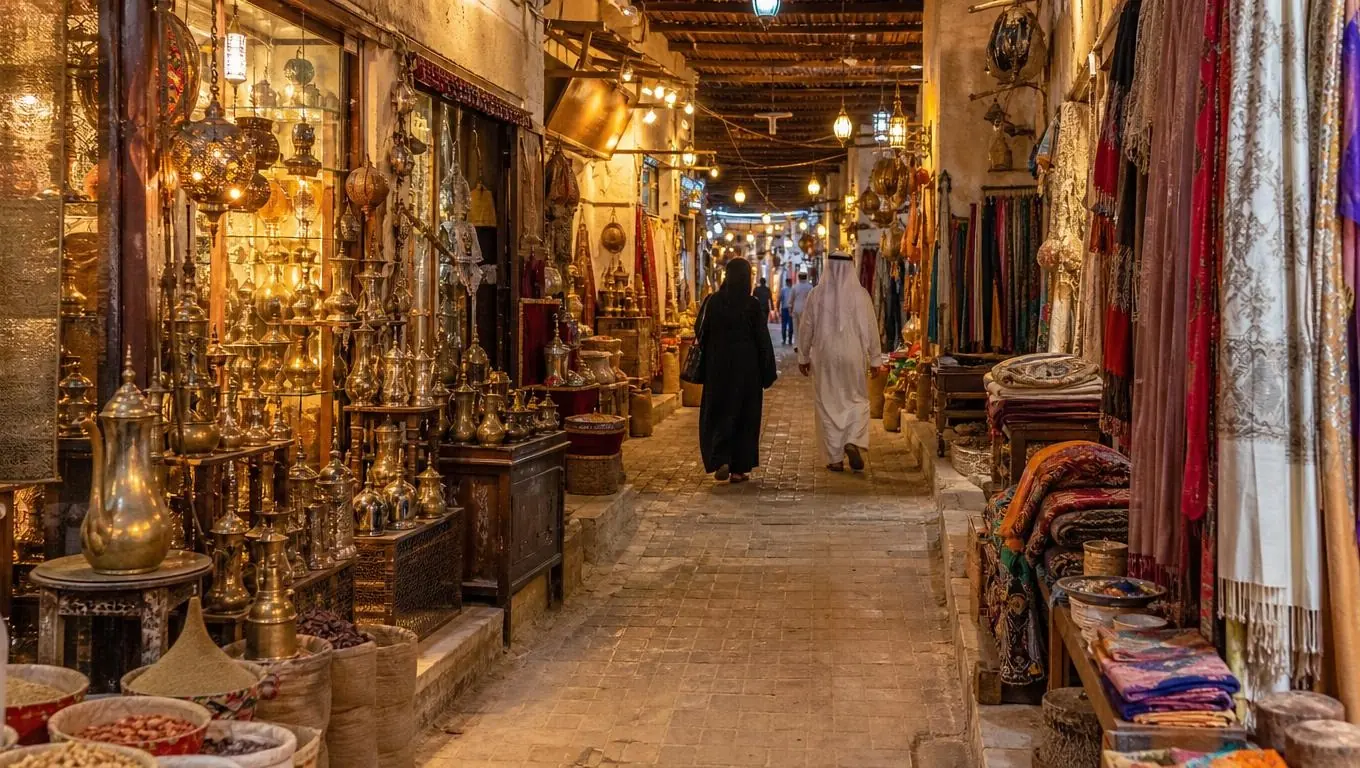
- The souq and Bab Al Bahrain: traditional cafés such as Danat Al Tawawish, one of the stops on the food walks, serve Bahraini dishes in old-style rooms. Around the lanes you find sweet shops, spice sellers and karak stalls.
- Little India: the streets beside the souq have Indian restaurants and cafés, part of Manama's history as a trading port.
- Muharraq: halwa shops, traditional cafés and breakfast places along the Pearling Path, 10 to 20 minutes over the causeway.
- Adliya: cafés, galleries and restaurants, many around Block 338, for dinner and a relaxed evening.
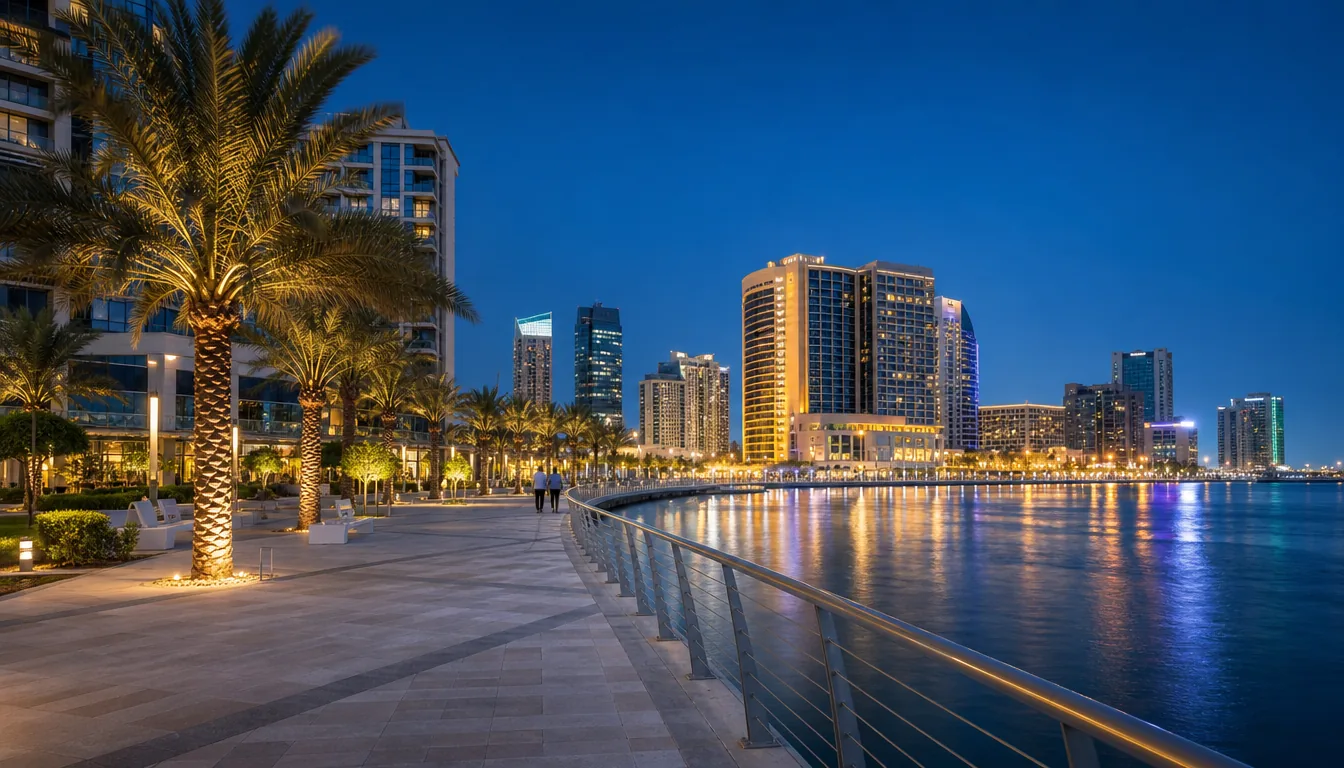
- Hotels and Bahrain Bay: waterfront dining and the easiest place for a drink with dinner.
During Ramadan, restaurants serve screened meals by day, and the evenings after iftar are the best time of the year to eat out. Which area suits you as a base is in where to stay in Bahrain.
Which Manama food walk should you book?
For the most reviewed, the Manama Souq Food Walk: three hours with every tasting included, rated 4.9 from 55 reviews. The newer Traditional Food Tasting Walk has four set stops and plenty to eat; the Evening Souq Walk is more about the souq after dark, with dinner as an optional extra.
All three start at Bab Al Bahrain, all are on foot, and none includes hotel pickup. Reviewers of the Manama Souq Food Walk describe the guides as engaging, attentive and clearly passionate about Bahraini culture and food, and one solo traveller enjoyed meeting other women on it. It is not suitable for food allergies, gluten or lactose intolerance. The Manama Evening Souq Walk starts at 5 pm and covers about 2.5 to 3.5 km, with the Gold Souq and pearl stories; its dinner at Danat Al Tawawish costs extra.
| Walk | Length | Starts | What you taste | Best for |
|---|---|---|---|---|
| Manama Souq Food Walk | 3 hours | Under Bab Al Bahrain | All tastings, water and local soft drinks | A first taste, with the most reviews behind it |
| Traditional Food Tasting Walk | 2 to 3 hours | Bab Al Bahrain | Four stops: Danat Al Tawawish, an Indian restaurant or café, spice shops and a traditional café, with Arabic coffee or tea | Coming hungry, and the multicultural quarter |
| Manama Evening Souq Walk | 3 hours, from 5 pm | The main arch of Bab Al Bahrain | Oud, spice and sweet shops and halwa on the way; a traditional dinner is optional and costs extra | The souq after dark and the Gold Souq |
The souq at its liveliest: three hours on foot from 5 pm through the spice and sweet shops, the Gold Souq and Little India.
Check dates for the evening souq walkWhat's cheap in Bahrain?
Everyday food and short trips: karak, shawarma, bakery bread, samboosa and souq snacks cost little compared with Europe, and so do short taxi or ride-app journeys. Many sights need no ticket, from the souq and the fort grounds to the guided mosque visit.
Bahrain is not a budget destination, but it is generally cheaper than Dubai or Doha for hotels and eating out. The biggest savings are in the small places: a karak stall, a bakery, a traditional café in the souq. What costs more is hotel dining, alcohol, which is served only in licensed venues, and anything private, such as a car and guide for the day.
A food walk costs more than eating on your own, but it includes all the tastings and a guide who explains what you are eating, which saves you guessing from a menu in Arabic. Cost levels by area and how to get around cheaply are in where to stay and getting around.
What is best to buy in Bahrain?
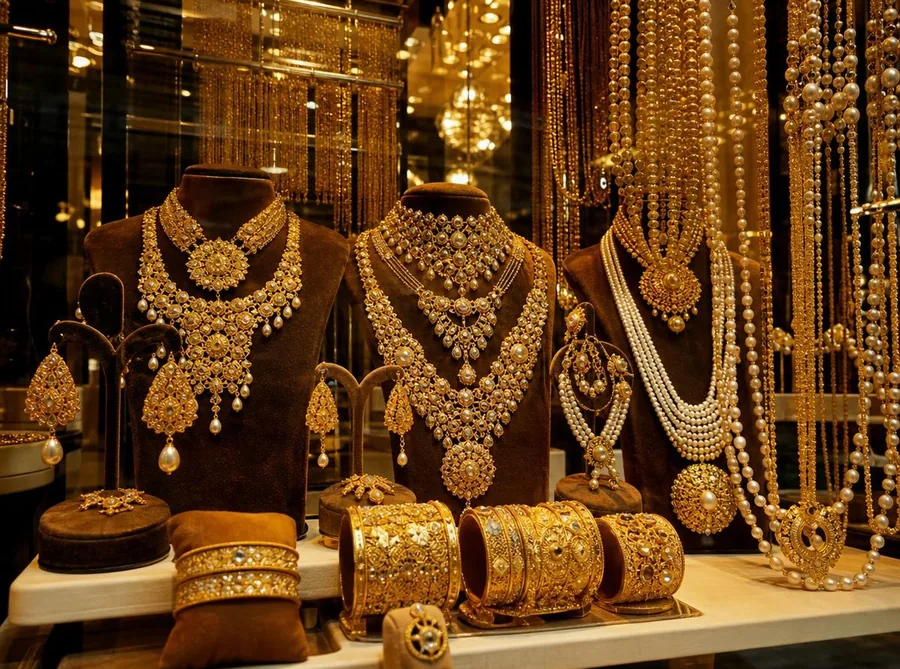
Bahrain is known for natural pearls, so a pearl from a reputable, certified jeweller is the classic buy. Gold from the Gold Souq, halwa, dates, spices, oud and perfumes, and pottery from the workshops of A'ali are the other favourites.
- Pearls: pearling shaped Bahrain until the 1930s. Buy from an established jeweller and ask for a certificate.
- Gold: the gold shops cluster near Bab Al Bahrain, including the Gold City building. Prices follow the weight and the day's gold price, so compare a few shops.
- Halwa: sweet shops in Muharraq and the souq pack it for travel.
- Dates: many varieties, sold loose or in gift boxes.
- Spices, oud and bukhoor: the souq lanes smell of them, and the perfume sellers will mix a scent for you.
- A'ali pottery: made in workshops among the Dilmun burial mounds, which some southern and UNESCO tours visit.
Check your home country's rules on bringing food back before you pack dates or sweets.
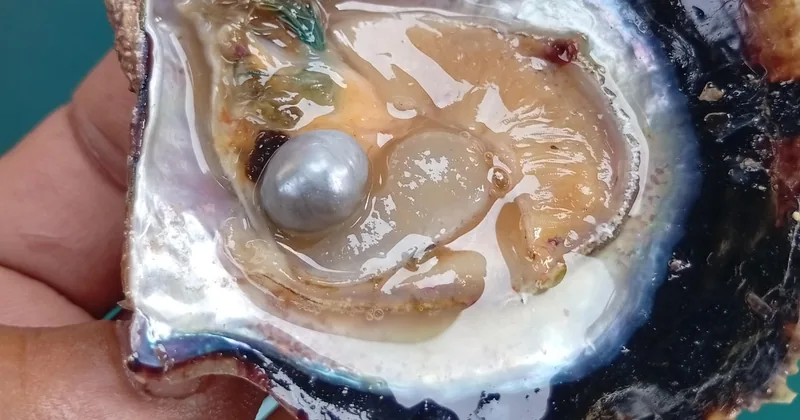
Walk the UNESCO Pearling Path in Muharraq, watch a diver open oysters on the beach and keep any pearl you find, with a traditional lunch at Bab Al Bahrain and karak, Arabic coffee and dates along the way.
Explore the Pearling Path tourFrequently asked questions
Is Bahraini food spicy?
Rarely hot. It is fragrant rather than fiery, built on dried lime, cardamom, saffron and warm spices. For real heat, try the Indian restaurants in the streets beside the souq.
Can I eat in the souq during Ramadan?
Not in public during daylight hours, when eating and drinking in the street is an offence for everyone. Hotels and many restaurants serve screened meals by day, and after sunset the souq cafés fill up for iftar and late snacks.
Are the food walks suitable for special diets?
Ask the operator before you book. The Manama Souq Food Walk says it is not suitable for food allergies, gluten or lactose intolerance, and on every walk the tastings depend on what each stop serves that day.
Is Bahraini halwa the same as sesame halva?
No. Bahraini halwa is a glossy, jelly-like sweet flavoured with saffron, rosewater and cardamom and topped with nuts, much softer than the crumbly sesame halva sold elsewhere.
Ready to book
Choose your tour
Check your date and the live price on GetYourGuide; the refund terms are shown on each option.
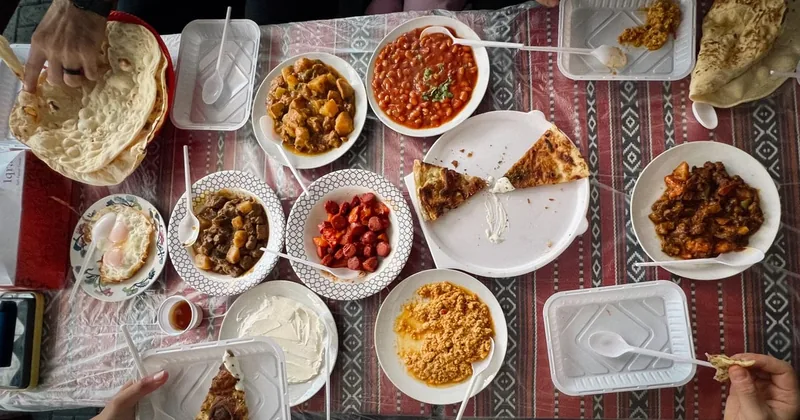
Manama Souq Food Walk
- Meet under the Bab Al Bahrain arch
- All food tastings along the way
- Water and local soft drinks
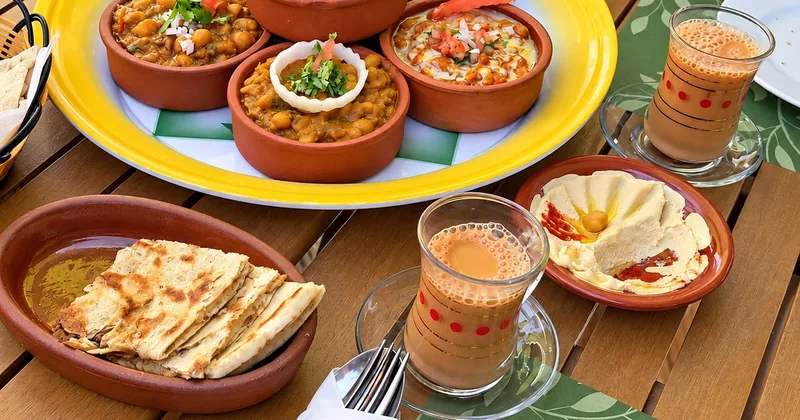
Traditional Food Tasting Walk
Four tasting stops from Bab Al Bahrain through the souq and the Indian quarter, ending at a traditional café