Booking choice: The South to North island tour, ★ 4.9 (169). Check dates Compare the options below
Bahrain is small: its best-known sights lie within about 40 km of Manama. That is why so many travellers treat it as a day trip or a stopover. They see the capital and leave, and miss the parts that make Bahrain different from its neighbours: a pearling town with its merchant houses, a Bronze Age burial landscape and a fort on a mound with layers going back to about 2300 BC.
This guide gives a plan for one, two and three days, then looks at the Pearling Path day and the day in the south, the most beautiful places, the beaches, a comparison with Qatar and the best time to come. The one-day plan is hour by hour in Bahrain in one day, and where to base yourself is in where to stay in Bahrain.
The quick answer
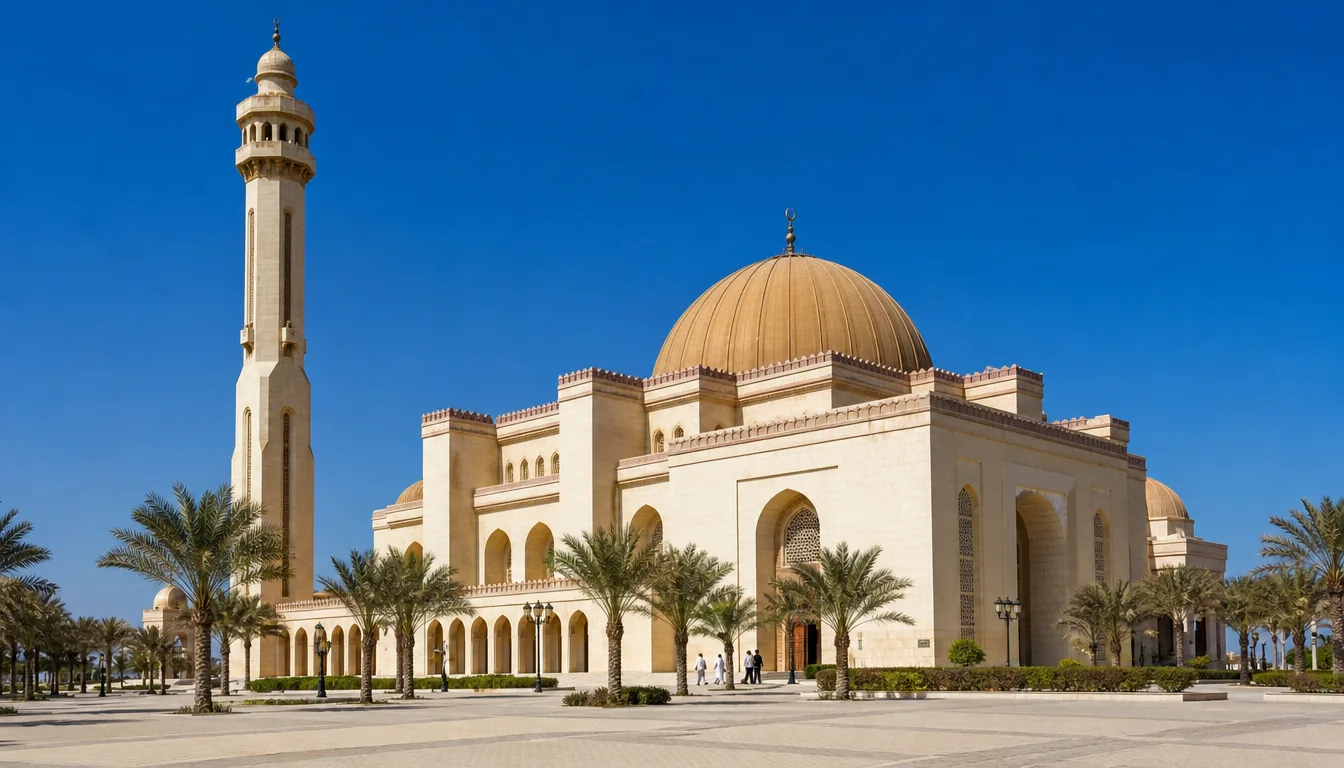
One day: the city, with the Grand Mosque, the National Museum, the souq and Bahrain Fort. Two days: add Muharraq and the Pearling Path, or the south with the Tree of Life, the First Oil Well and the Formula 1 circuit. Three days: do both, and add the A'ali burial mounds and a food walk or an evening in the souq. Plan around the closing days: the Grand Mosque is closed to visitors on Fridays, the National Museum and the Pearling Path visitor centres on Tuesdays, and the fort's site museum on Mondays. Come between November and March for days of about 20 to 27 degrees; from June to September highs reach about 40.
How many days in Bahrain is enough?
Two to three days for most visitors. One day covers Manama; two let you add Muharraq or the south; three let you see both at an easy pace, with time for food and the evening souq.
The table puts the city day on a Sunday, Wednesday or Thursday, when every sight is open, and keeps the Pearling Path away from Tuesdays. Swap the days around to fit your dates.
| Day | Morning | Afternoon | Evening |
|---|---|---|---|
| Day 1: Manama | The Al Fateh Grand Mosque at 9 am, then the Bahrain National Museum | Lunch in the souq behind Bab Al Bahrain, Bahrain Fort in the late afternoon | Sunset on the Bahrain Bay waterfront |
| Day 2: Muharraq | The Pearling Path, about 3 km on foot, and its visitor centre | Halwa in the old souq, the Siyadi Majlis and the house facade, Arad Fort | Dinner in Adliya, back in Manama |
| Day 3: A'ali and the south | The A'ali burial mounds and a pottery workshop | The Tree of Life, the First Oil Well, Jebel Dukhan and the circuit | A food walk or the evening souq from Bab Al Bahrain |
| Two days only | Day 1 as above | Day 2: a Pearling Path tour or an island tour | The souq in the evening |
The south and the city with one guide: the Tree of Life, the first oil well and the circuit, then Bahrain Fort and the souq, in six hours with hotel pickup.
Check dates for the South to North island tourHow do you spend a day on the Pearling Path in Muharraq?
Walk the Pearling Path, a UNESCO heritage walk of about 3 km through old Muharraq, from the seashore at Qal'at Bu Maher to the Siyadi Majlis, and allow about two to two and a half hours with stops. Its visitor centres close on Tuesdays.
Muharraq is 10 to 20 minutes from central Manama over the causeway. The Pearling Path, inscribed by UNESCO in 2012, links 17 buildings of the old pearling economy: merchant houses, shops, storehouses and a mosque, with oyster beds offshore also part of the site. The walk is open to everyone, and the visitor centres, open from 10 am to 6 pm except on Tuesdays, explain how the divers worked and how the pearl trade ended in the 1930s. At the end of the path, see the Siyadi Majlis and the house facade of a pearl merchant's family.
Along the way, the old souq of Muharraq is the place for Bahraini halwa, made in the town's sweet shops for generations. The Pearling Path Tour with Oyster Opening (5.0 from 6 reviews) adds what you cannot do alone: a fish-feed factory, a workshop making handmade fishing cages and a diver on the beach opening oysters, with any pearls you find yours to keep, then a traditional lunch at Bab Al Bahrain and Bahrain Fort. One reviewer's advice: if you book nothing else in Bahrain, book this.
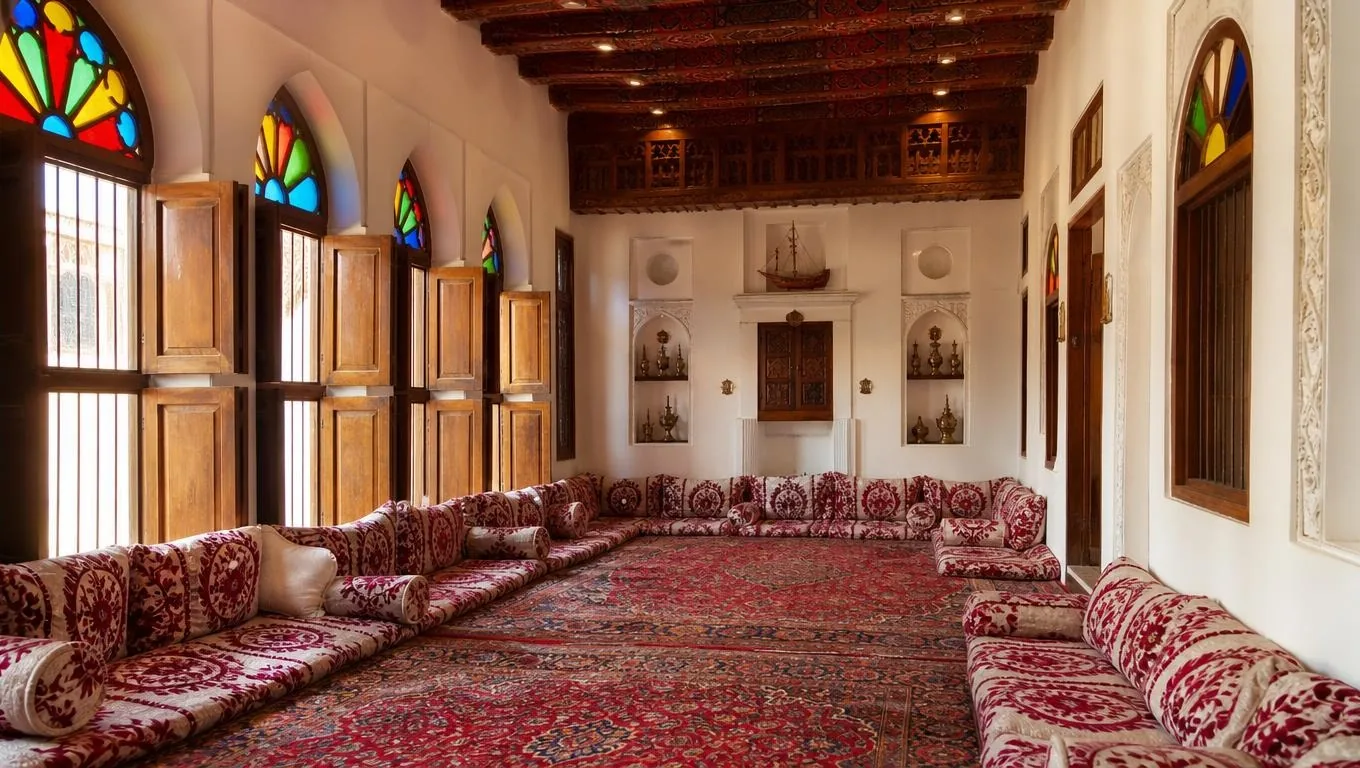
The Pearling Path with a guide, a diver opening oysters on the beach, lunch at Bab Al Bahrain and Bahrain Fort, in six hours.
Check dates for the Pearling Path tourWhat is there to see in the south and A'ali?
The royal Dilmun burial mounds and pottery workshops of A'ali, about 20 minutes south-west of Manama, then the Tree of Life, the First Oil Well, Jebel Dukhan and the Bahrain International Circuit, 30 to 40 km south.
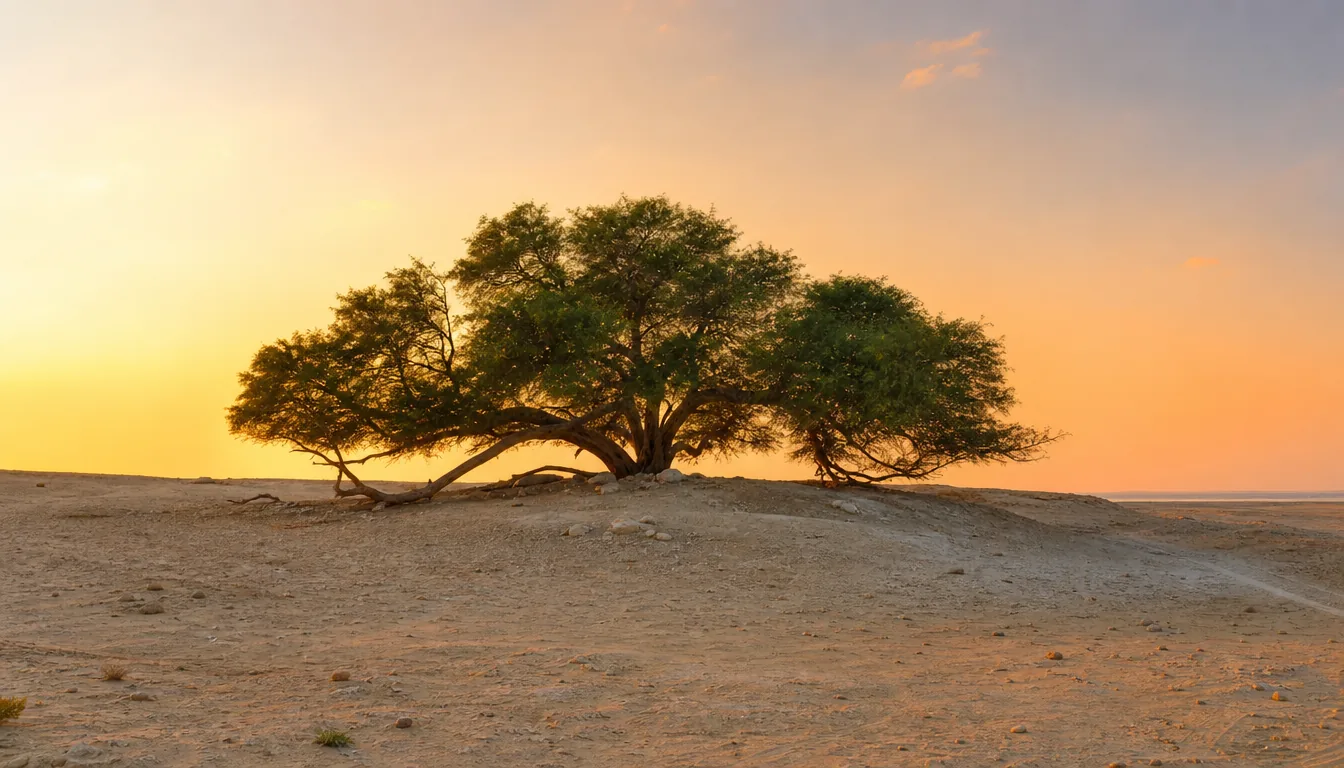
A'ali is a village built among the burial mounds of Dilmun, part of Bahrain's third UNESCO site, inscribed in 2019. The mounds date from about 2200 to 1750 BC, and the royal mounds, up to about 15 m high, rise between the houses. Traditional potters work beside them, and some workshops offer hands-on sessions. Further south, oil first flowed from the First Oil Well on 2 June 1932, and you see the preserved well and its marker. Jebel Dukhan, at 134 m the highest point in Bahrain, is seen from the road. The Tree of Life, a ghaf tree over 400 years old, stands alone on a sandy hill, and the Bahrain International Circuit, home of the Formula 1 Bahrain Grand Prix in normal years, is usually a photo stop at the gate.
Without a car these places are hard to reach. The Bahrain Half-Day Desert Tour covers them in four hours with six guests at most, and UNESCO Bahrain in 4 Hours combines the A'ali mounds and a pottery with Bahrain Fort, old Muharraq and the Pearling Path. A summer reviewer of the UNESCO tour praised the guide for mixing indoor and outdoor stops on a day of about 40 degrees.
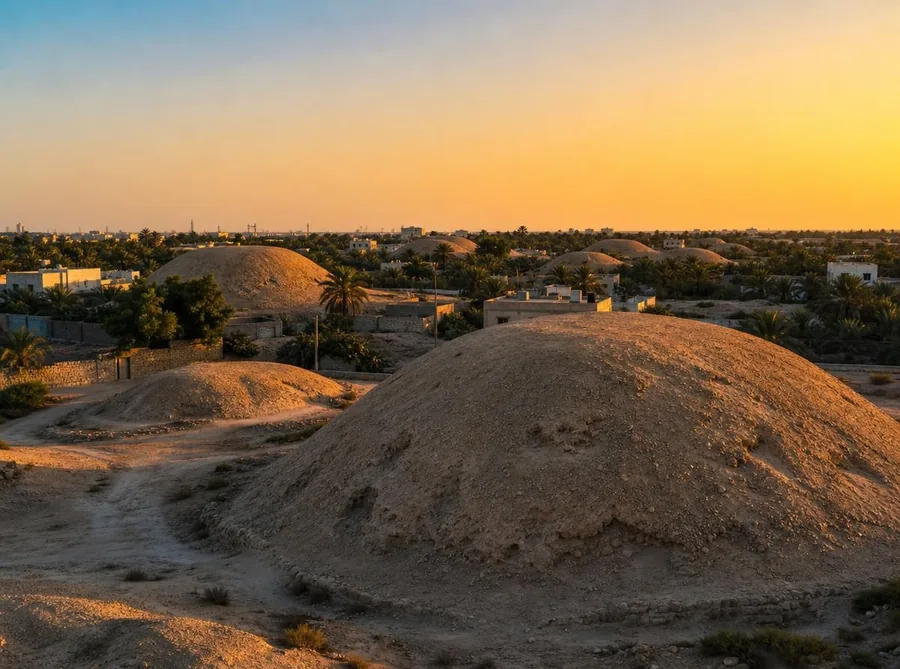
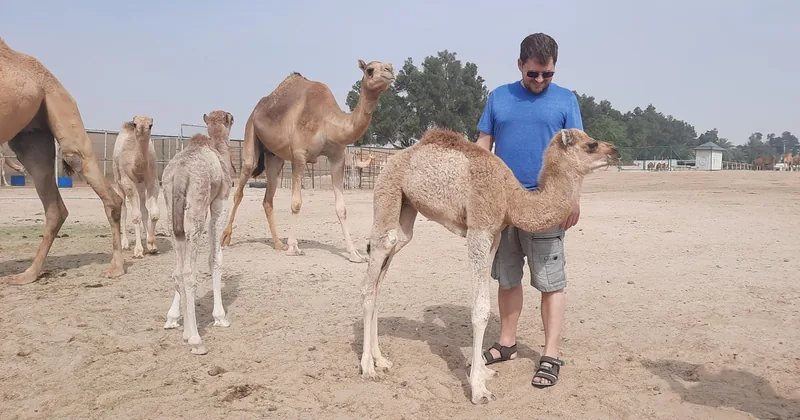
Four hours in the south with six guests at most: a camel farm stop at Zallaq when it is open to visitors, the First Oil Well, a pottery workshop and the burial mounds in A'ali, and the Tree of Life. Reviewers praise the guide Maher, who also takes good photos.
Explore the half-day desert tourWhat is the most beautiful place in Bahrain?
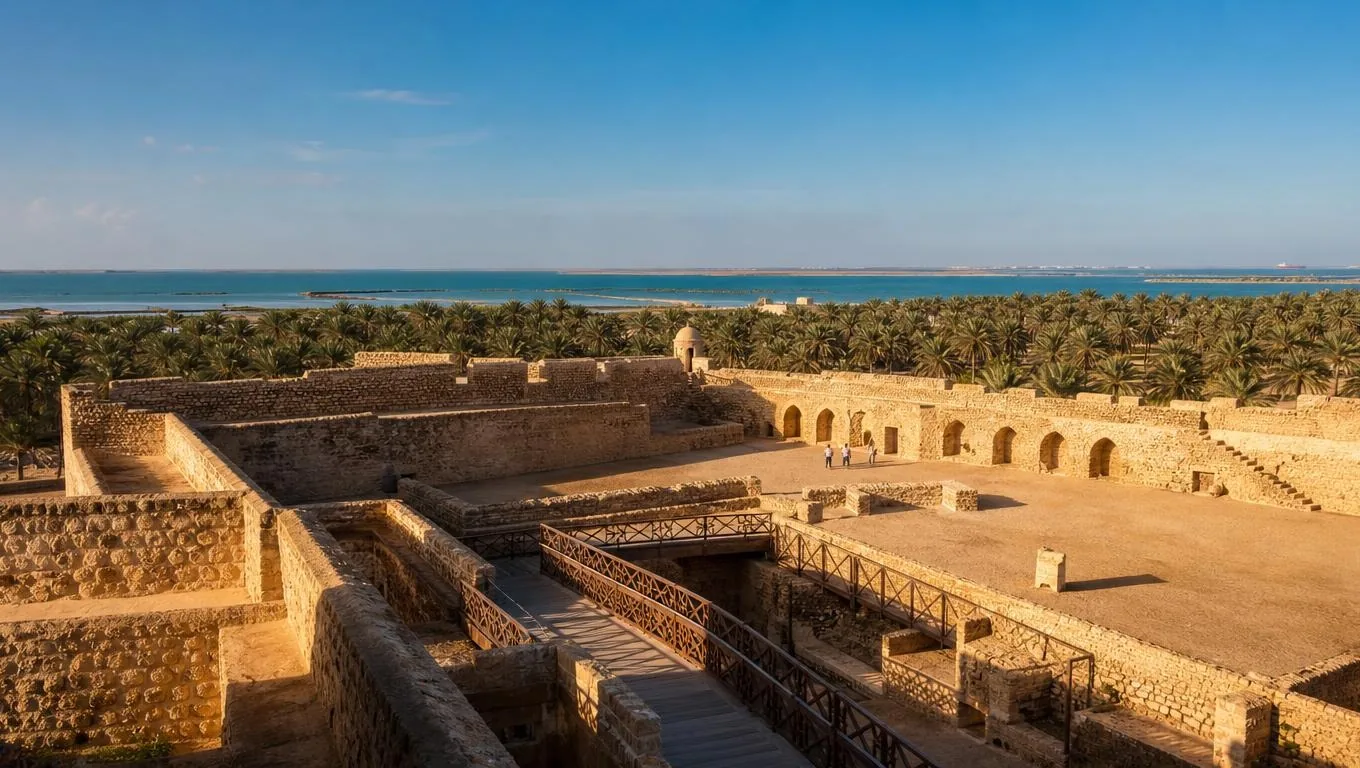
Most visitors name Bahrain Fort at sunset, with the sea on one side and palm groves on the other. Close behind are the prayer hall of the Al Fateh Grand Mosque, the restored houses of the Pearling Path and the lone Tree of Life.
- Bahrain Fort: walls and towers on a mound with layers going back to about 2300 BC, UNESCO-listed since 2005. The grounds are open until 6 pm and need no ticket.
- The Al Fateh Grand Mosque: the prayer hall under the great dome, which the culture authority describes as the largest fibreglass dome in the world.
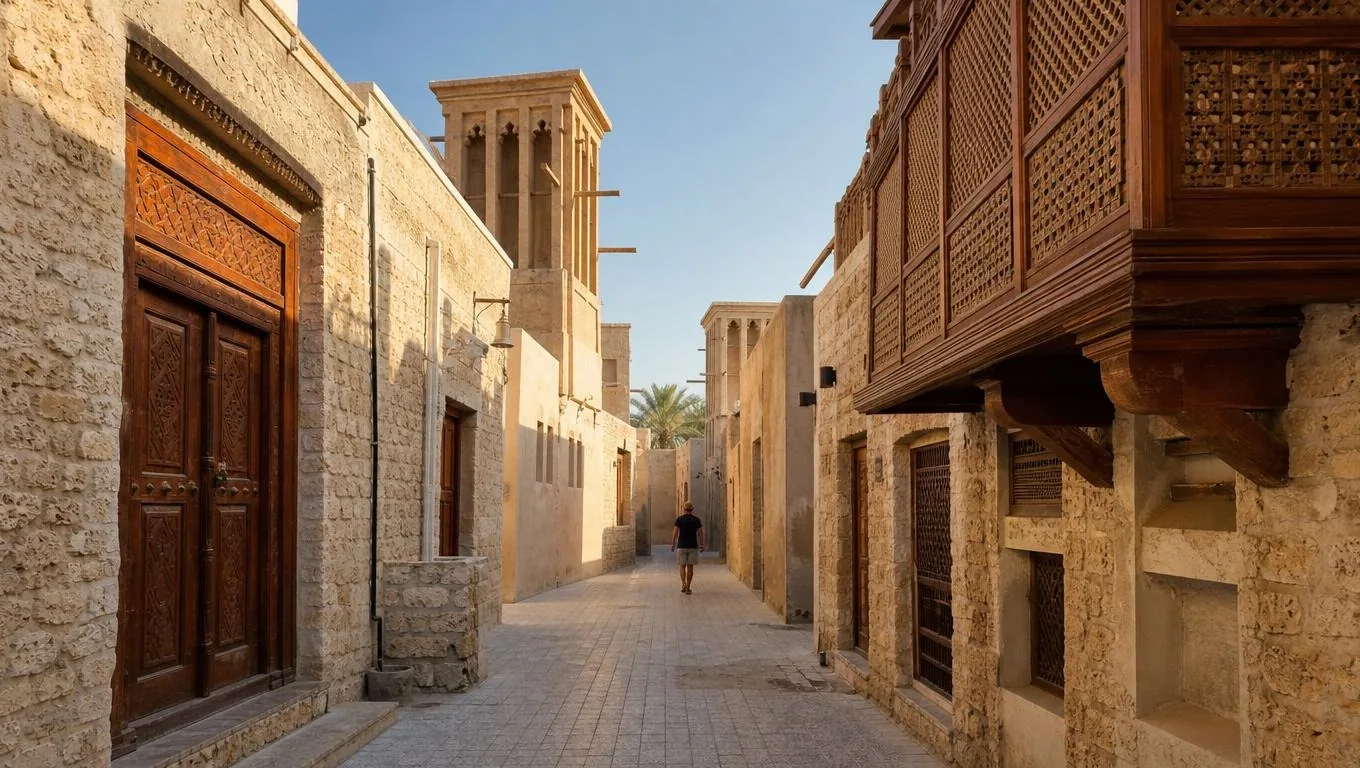
- The Pearling Path: coral-stone houses, carved wooden doors and mashrabiya balconies in old Muharraq.
- The Tree of Life: one green tree in open desert, best in the golden light of the late afternoon.
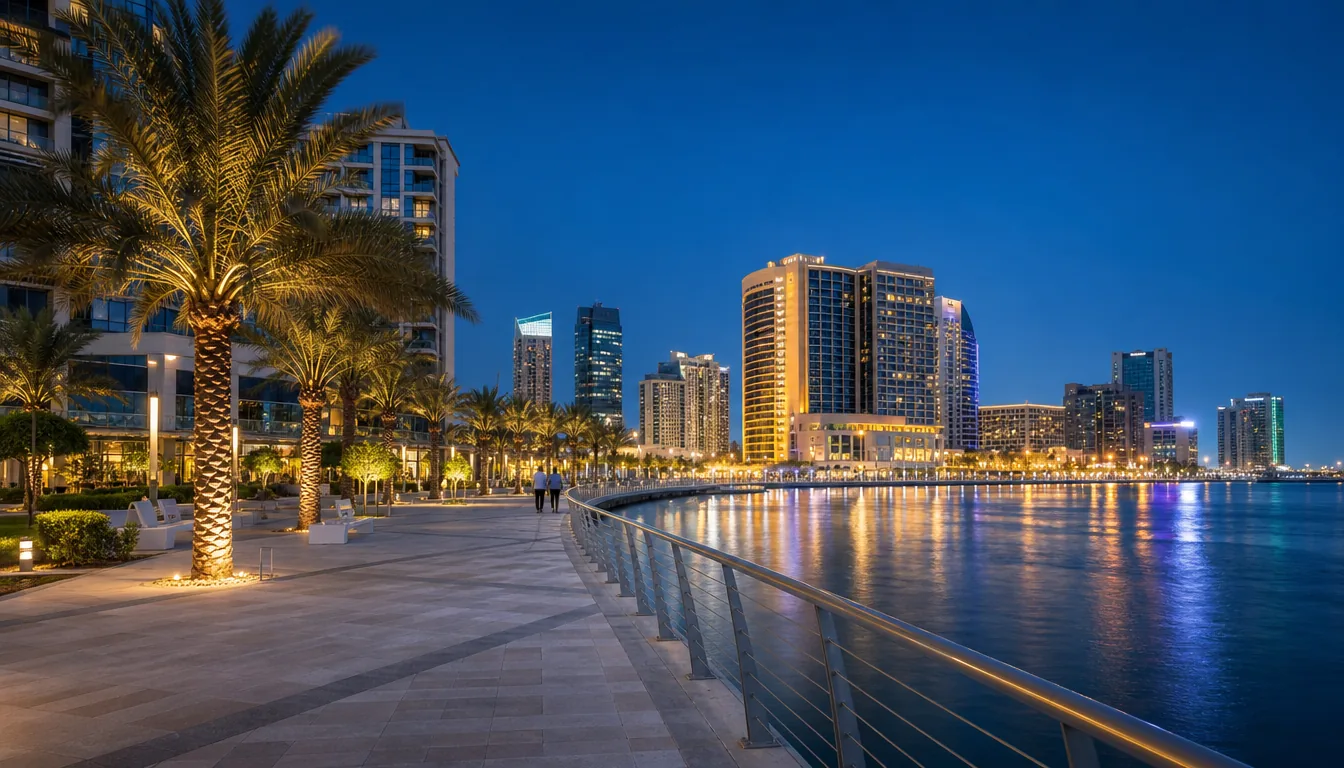
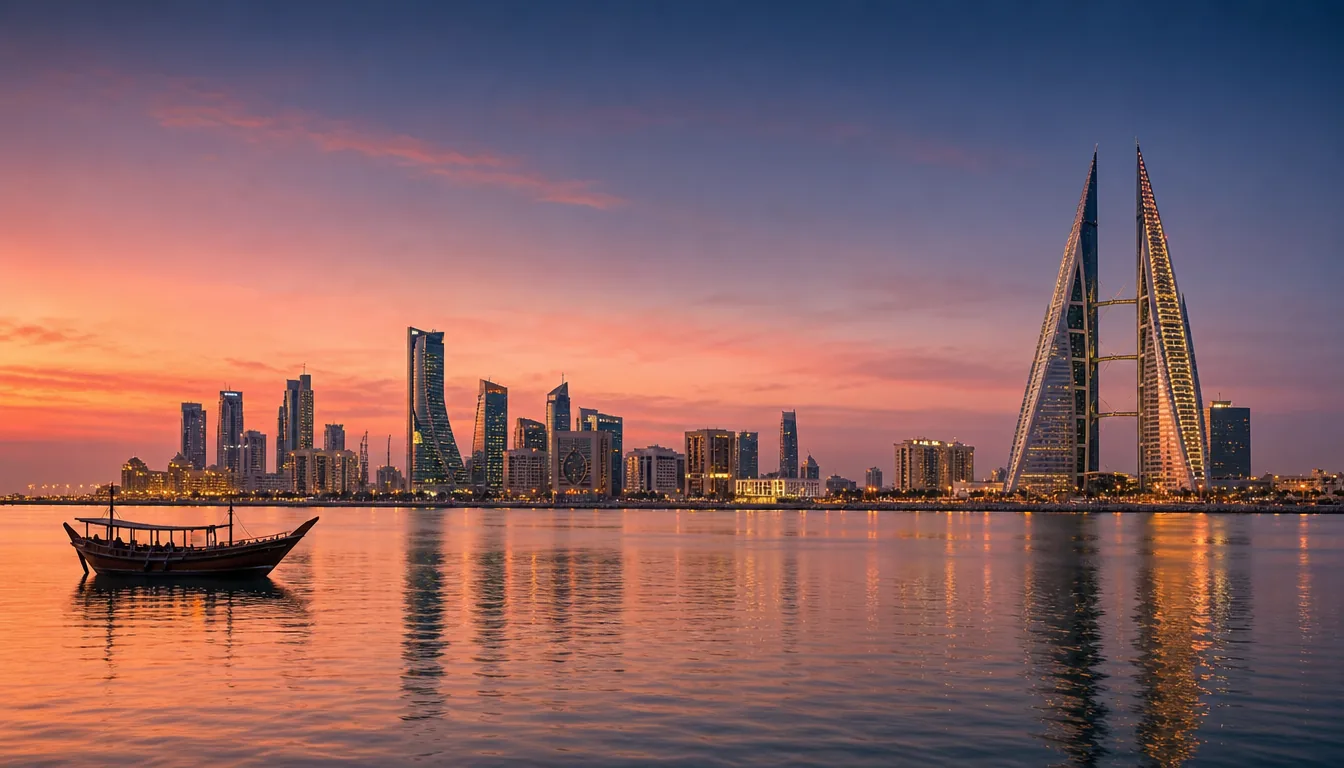
- Bahrain Bay: the waterfront and the World Trade Center towers at blue hour.
All three UNESCO sites in one morning: the royal burial mounds of A'ali, Bahrain Fort and old Muharraq on the Pearling Path, with sweets and Arabic coffee.
Check dates for the UNESCO morning tourWhat fills a third day in Bahrain?
Food and the evenings. Spend the morning at A'ali or on the Pearling Path, rest through the heat of the afternoon, then walk the souq from Bab Al Bahrain when its lanes fill up after 5 pm.
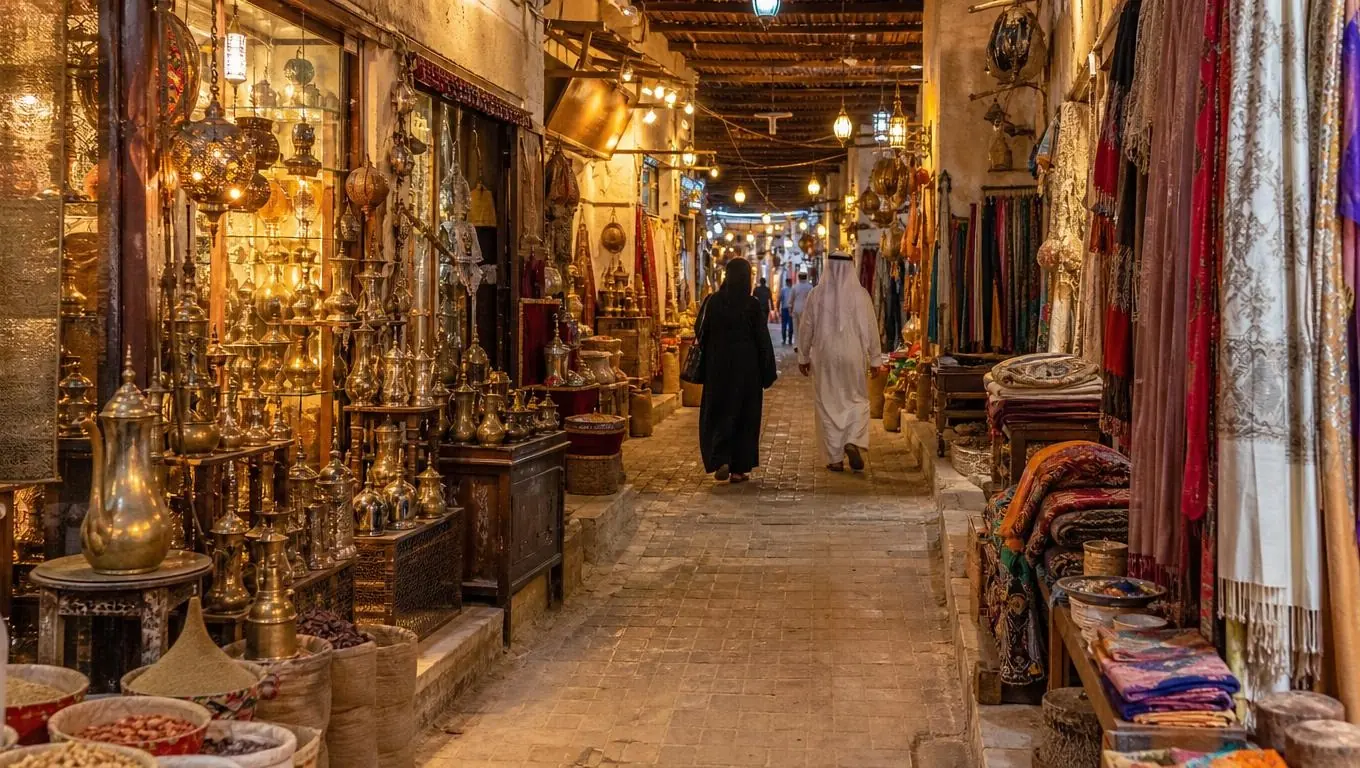
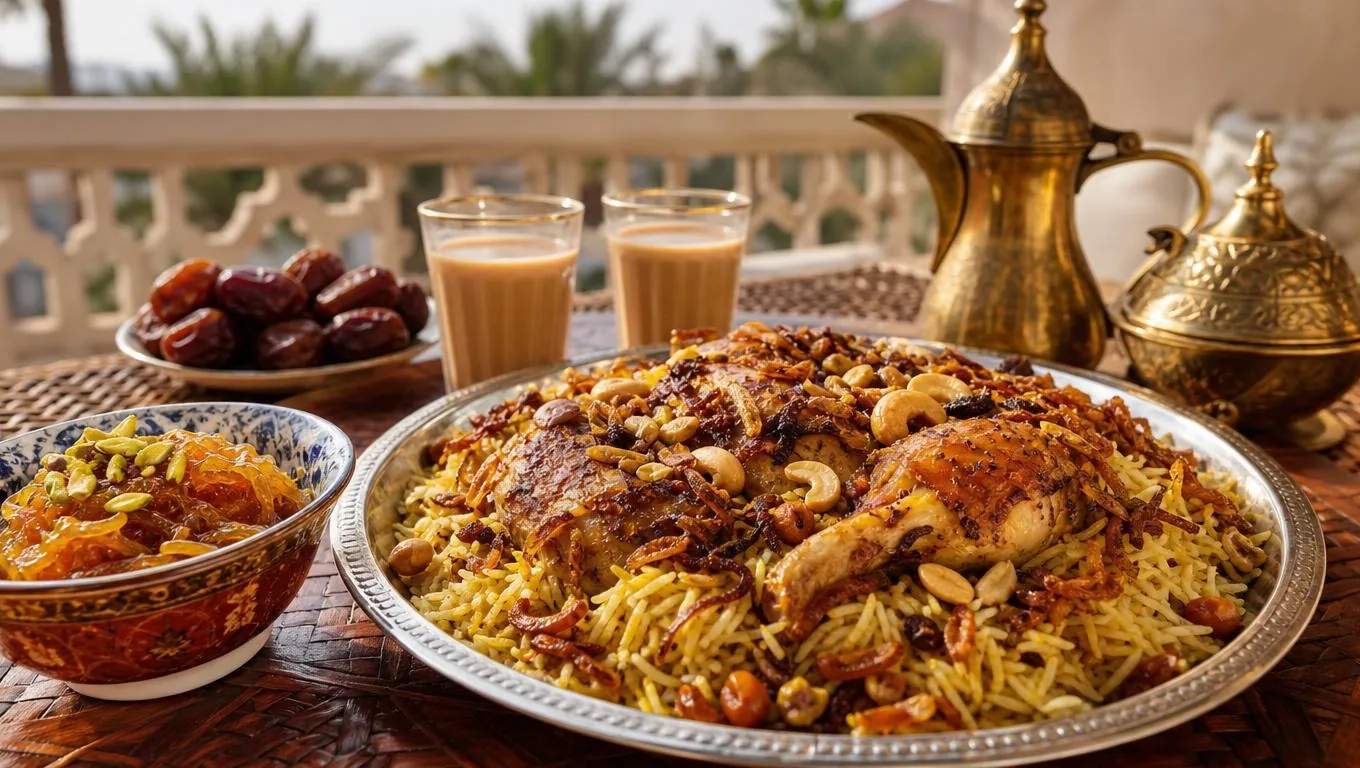
A third day is where Bahrain slows down. Try balaleet, sweet saffron vermicelli under an omelette, for breakfast, machboos for lunch and karak tea wherever you stop. The Manama Evening Souq Walk (5.0 from 5 reviews) starts at 5 pm at the main arch of Bab Al Bahrain and covers about 2.5 to 3.5 km through the spice and sweet shops, the Gold Souq and Little India, ending around 8 pm; dinner at a traditional café is optional and costs extra. Adliya, with its cafés, galleries and restaurants, is the other good evening. The dishes are explained in what to eat in Bahrain.
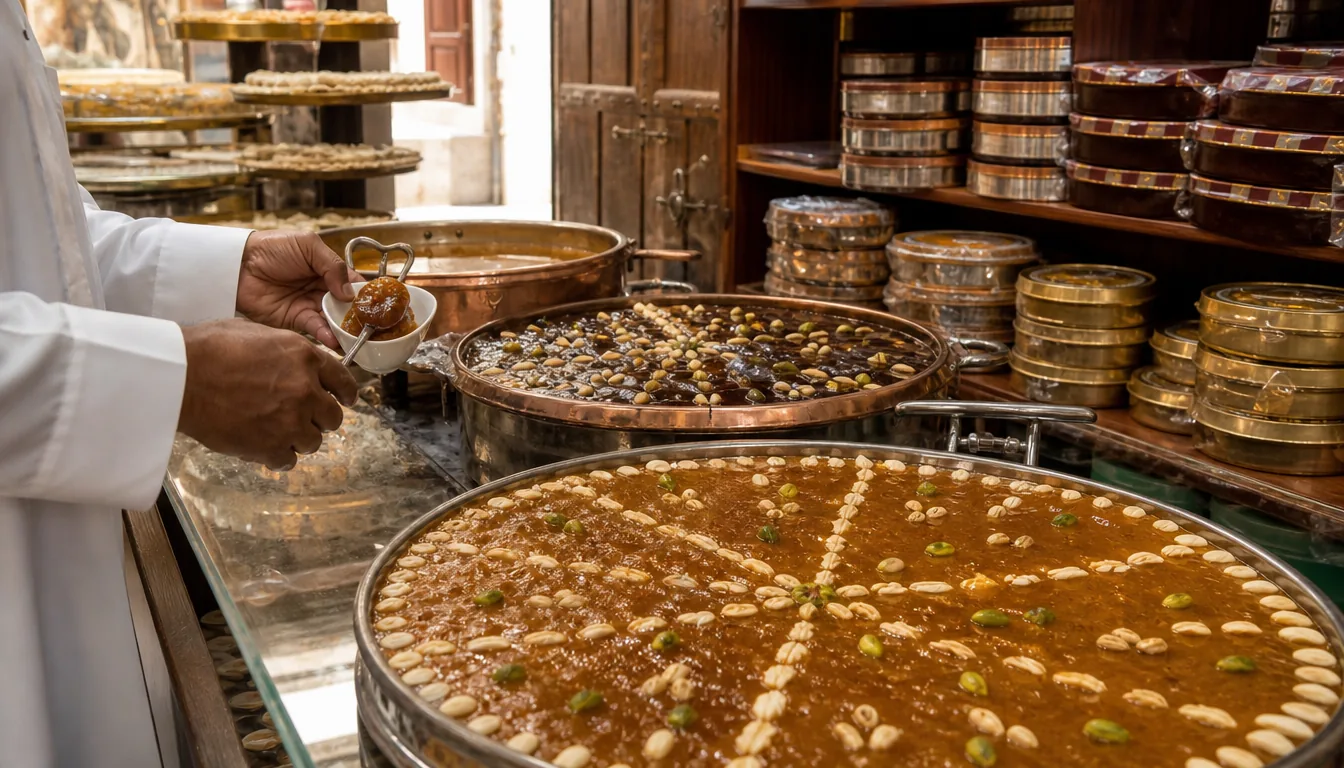
The old souq when it comes alive: Bab Al Bahrain, the Gold Souq and Little India on foot from 5 pm, with pearl stories and halwa on the way.
Check dates for the evening souq walkAre Bahrain's beaches and islands worth the time?
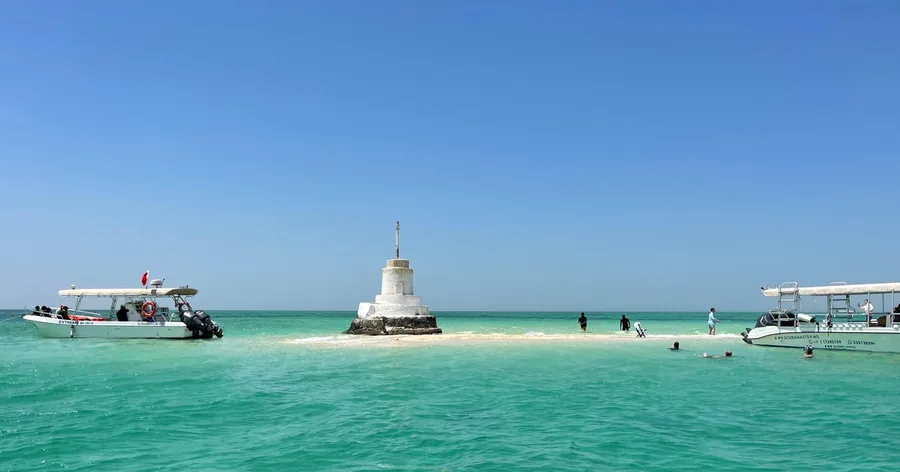
Only with a fourth day or a beach hotel. Bahrain has turquoise shallows and sandbanks off its coast and a resort feel on the Amwaj Islands, but its heritage is the reason to come on a short trip.
The Amwaj Islands, reclaimed islands off Muharraq, have a beach-resort feel, and many hotels have pools or their own stretch of sand. Swimwear belongs at beaches and pools, not in the city. The sandbanks and shallows off the coast are seen on boat trips; these depend on local maritime rules, so check with the operator. If you stay longer, a morning by the water makes a good rest day between the sights.
Is Bahrain or Qatar better?
Bahrain for heritage, pearling history and a relaxed, compact trip; Qatar for big modern museums, desert dunes and a newer, more polished capital. Neither is better in general, and both suit one to three days.
Bahrain has three UNESCO World Heritage Sites to Qatar's one, a Bronze Age past as the centre of Dilmun and an old town where the pearl merchants' houses still stand. Doha is bigger and newer, with the Museum of Islamic Art and desert dunes within reach. Bahrain suits travellers who like history and an easy pace; Qatar those who want landmark museums and the dunes. Many travellers pair the two.
Saudi Arabia is linked to Bahrain by the King Fahd Causeway, a 25 km chain of bridges and causeways to Khobar, and crossing it needs a Saudi visa. Border rules and flight schedules in the Gulf can change, so check the latest before you plan a combined trip.
When is the best time to visit Bahrain?
November to March, when daytime highs are about 20 to 27 degrees. From June to September it is very hot and humid, with highs around 40 degrees in July and August, so tours start early or late.
- November to March: the best months for walking the souq, the fort and the Pearling Path.
- April, May and October: warmer, with hot middays; plan the outdoor stops for the morning.
- June to September: very hot and humid. Most indoor sights are air-conditioned, and the evening is the time to be outside.
- Ramadan: expected from about 8 February to 9 March 2027, depending on the moon. Opening hours are shorter by day and the evenings are lively; out of respect, do not eat or drink in public during daylight.
- Days of the week: Friday and Saturday are the weekend. Put your city day on a Sunday, Wednesday or Thursday.
More on the seasons is on the homepage under best time.
Frequently asked questions
Is a weekend in Bahrain enough?
For the highlights, yes: the city on one day and Muharraq or the south on the other. Bahrain's weekend is Friday and Saturday, and the Grand Mosque is closed to visitors on Friday, so visit the mosque on Saturday and use Friday for the fort and the south.
Is four days too long for Bahrain?
Not if you like a slow pace. A fourth day suits a beach or pool, a pottery workshop in A'ali, a second evening in the souq or a sight you missed. For sightseeing alone, three days is plenty.
What is the best day for the Pearling Path?
Any day except Tuesday, when its visitor centres are closed. The walk itself is open to everyone every day, but the centres, open from 10 am to 6 pm, explain what you are seeing. Go in the morning in the warmer months.
Can you see all three UNESCO sites in one day?
Yes. The UNESCO Bahrain in 4 Hours tour covers the A'ali burial mounds, Bahrain Fort and old Muharraq in a morning. On your own it is possible by taxi too, as all three are within about 20 km of Manama.
Ready to book
Choose your tour
Check your date and the live price on GetYourGuide; the refund terms are shown on each option.
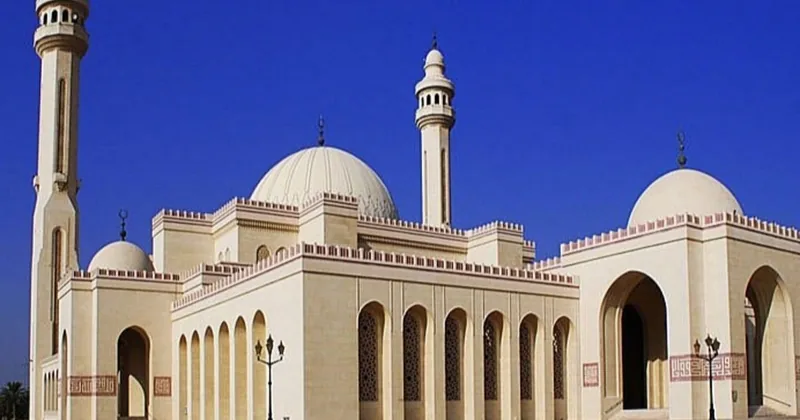
South to North: Bahrain in a Day
- Hotel pickup and drop-off in selected areas
- A local guide and an air-conditioned vehicle
- Al Fateh Grand Mosque (outside only on Fridays)
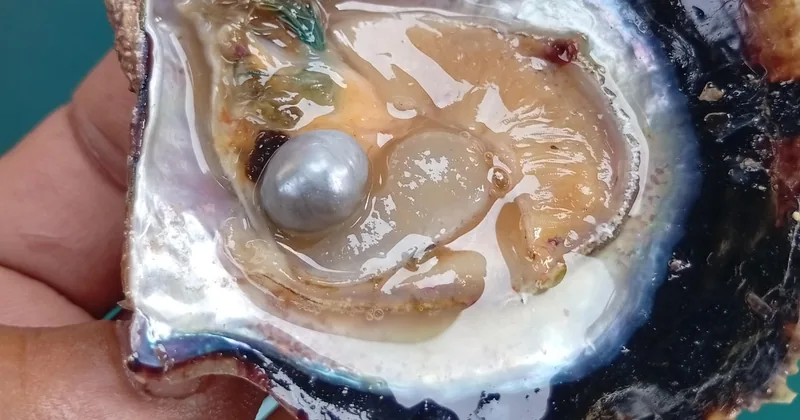
Pearling Path Tour with Oyster Opening
The UNESCO Pearling Path in Muharraq, a diver opening oysters on the beach, lunch and Bahrain Fort
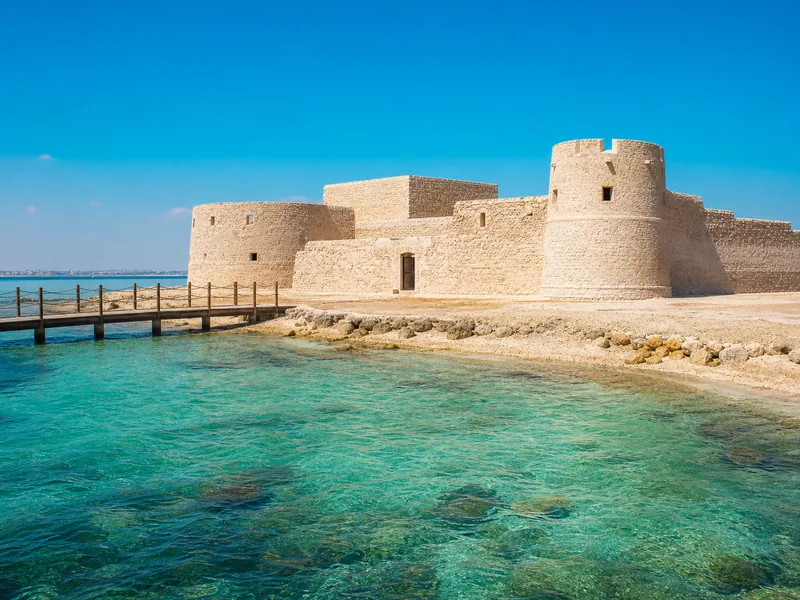
UNESCO Bahrain in 4 Hours
All three World Heritage Sites in one morning: the A'ali burial mounds, Bahrain Fort and old Muharraq